

La comida y el vino, junto con la cultura y la historia, son una de las principales cosas que atrae a muchos turistas a Italia y por una buena razón: la comida italiana y el vino tienen una excelente reputación. Ahora que usted ha encontrado un alquiler de vacaciones en Italia y están planeando su viaje, ¿por qué no hacer tiempo para detenerse en una bodega? Es una gran manera de aprender sobre la cultura del vino y la comida en Italia, conocer el proceso de elaboración y pasar un día agradable degustando vinos y probando las delicias locales. Hemos recopilado una lista de algunas de las bodegas más populares y famosas del país para ayudarle a encontrar la más adecuada para visitar. ¡O usted podría hacer un tour sobre el vino y visitar todas ellas!
Villa la Maiolica
Estupenda casa independiente con A/C, WIFI, TV, patio, mascotas permitida y aparcamiento
Descripción Propiedad
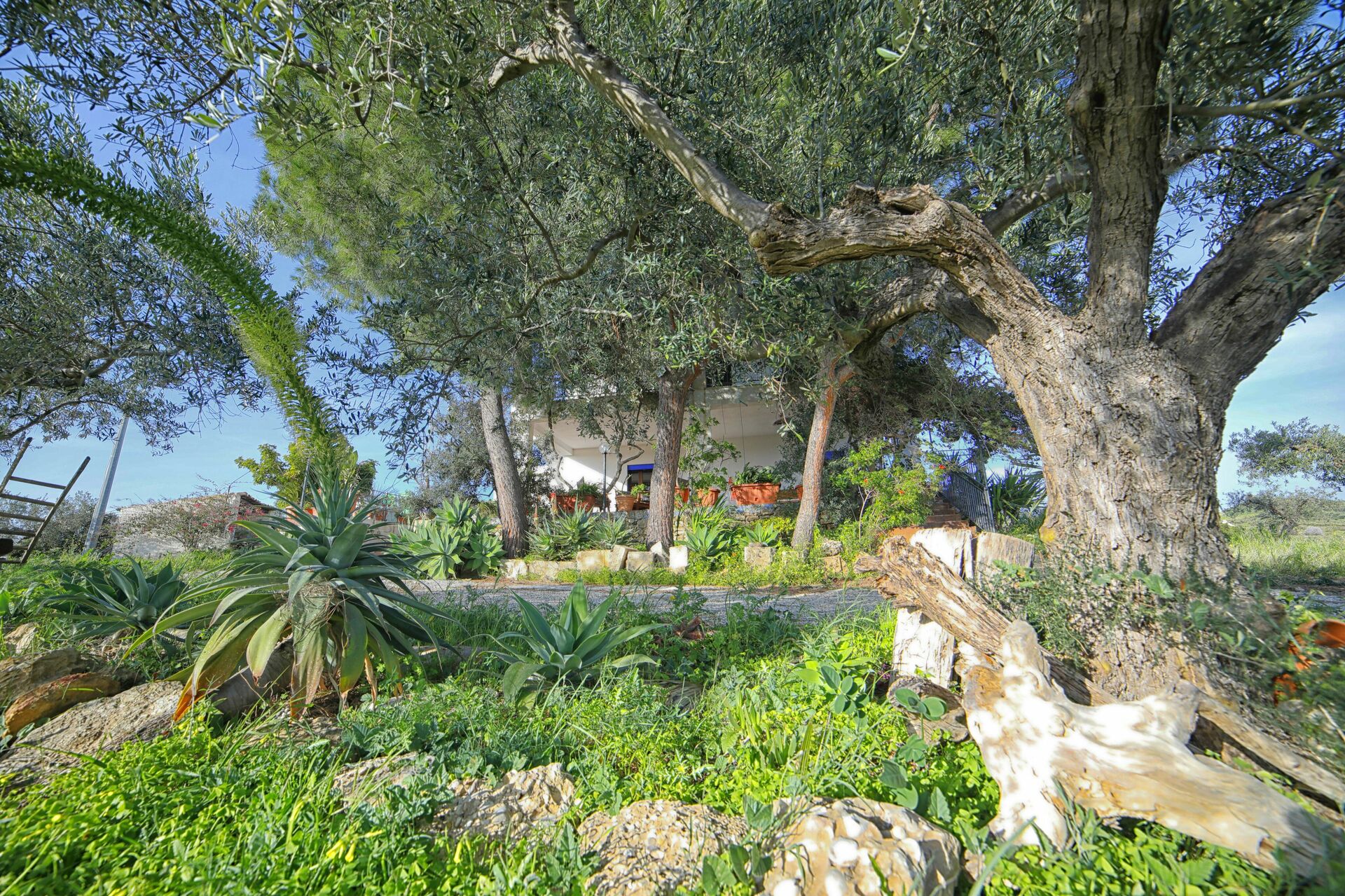
Villa La Maiolica está situada sólo 9 km de distancia de Ribera (Italia), y sólo a 45 km de distancia desde Agrigento en la zona turística "Sicilia Costa Sur". Villa La Maiolica es una hermosa propiedad (100 m2) con aire condicionado y WiFi. La propiedad puede acoger cómodamente seis personas en tres habitaciónes con dos baños. Vive la costa italiana con sus playas maravillosas. La propiedad está situada muy cerca del mar (1 km). En los pueblos vecinos hay muchas tiendas y negocios familiares donde se pueden encontrar muchos productos frescos y genuinos.
Lo que te espera
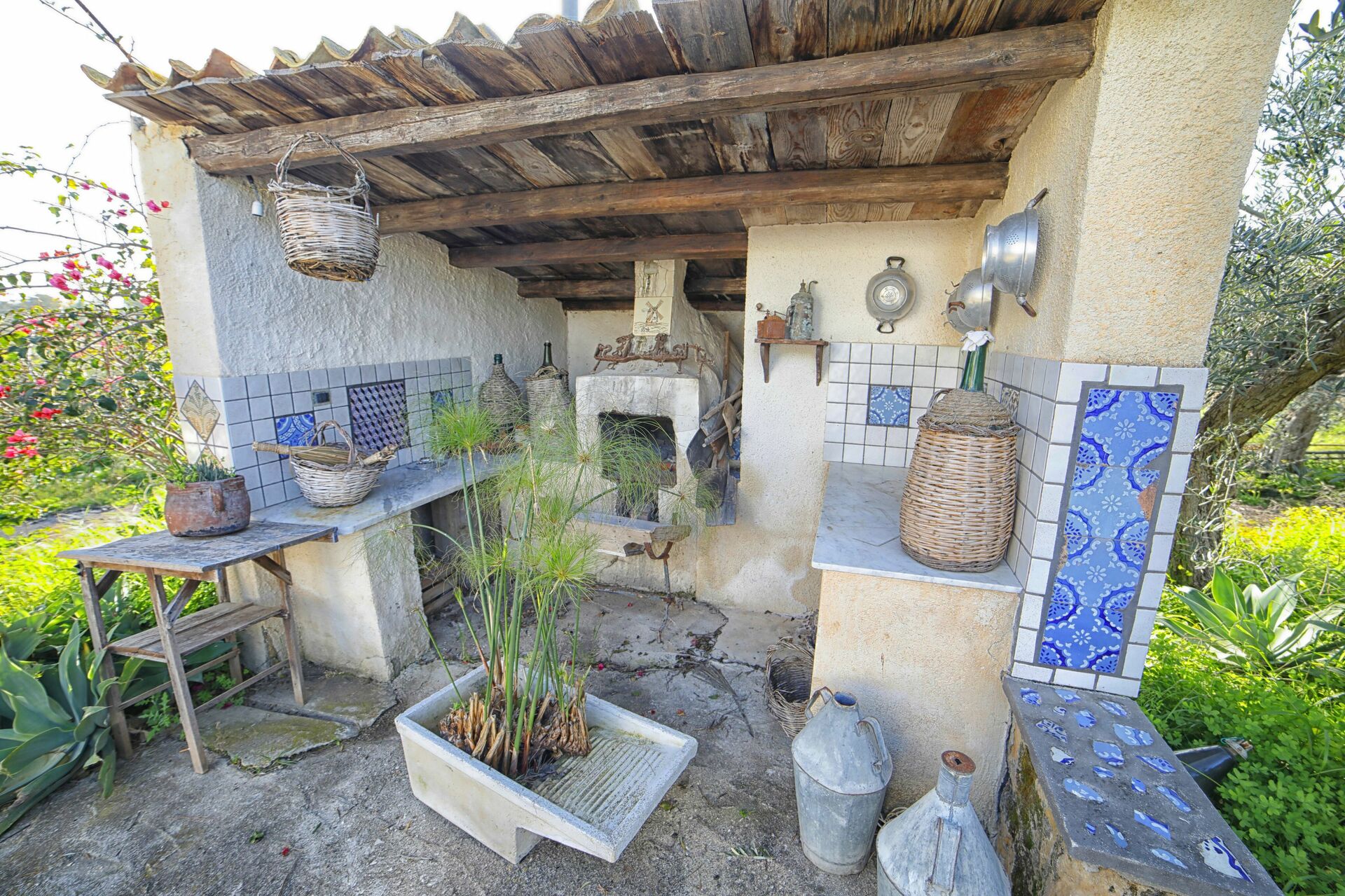
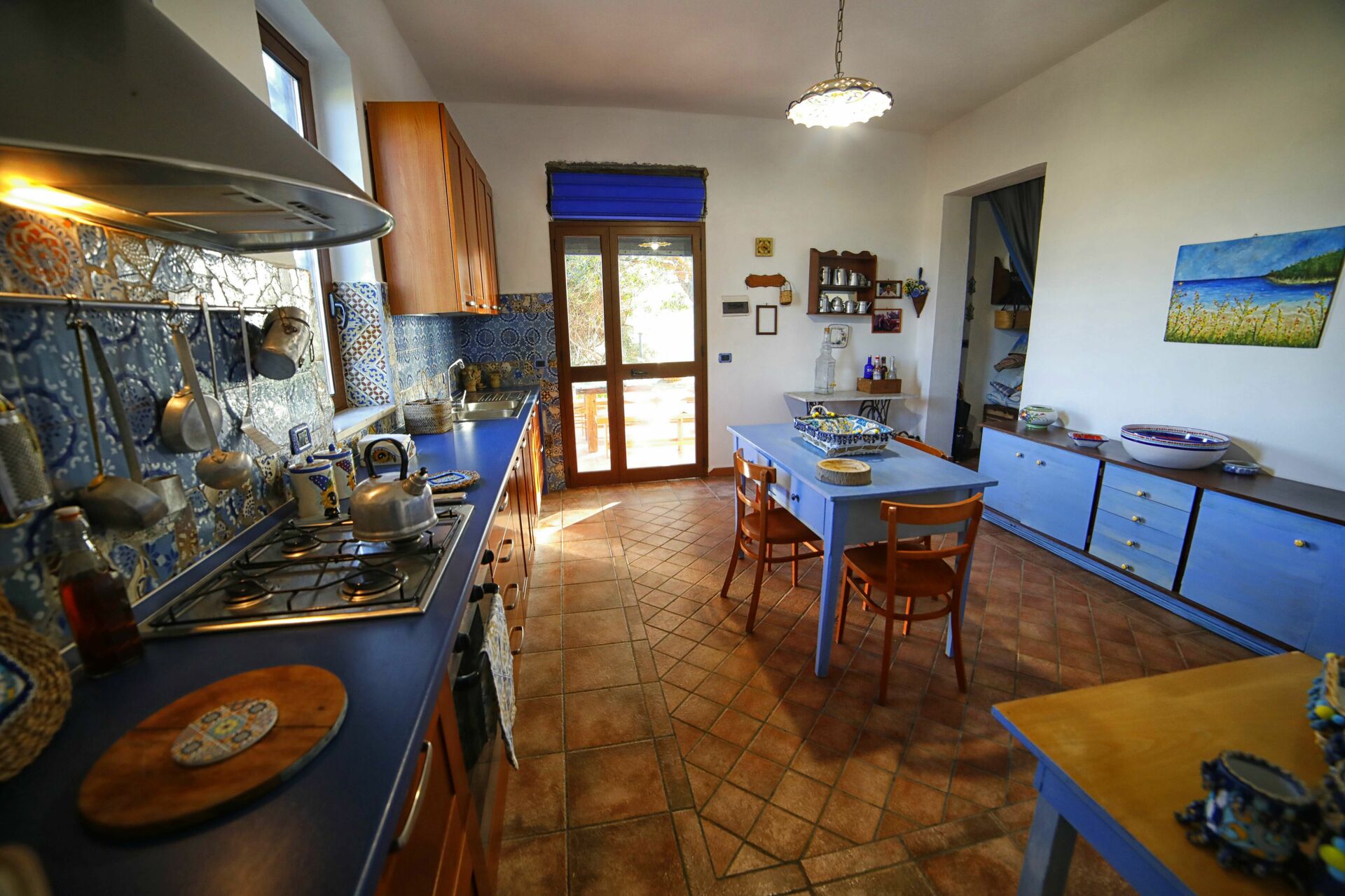
Después de llegar encontrará una estupenda propiedad limpia y acogedora con vista el mar y las colinas ideal para unas vacaciones tranquilas en Sicilia. Independientemente de como pasa sus días - excursiones, museos, shopping o simplemente visitando y descubriendo el paisaje, cuando llega a casa puede relajarse con amigos y familia para un final de día perfecto en Sicilia. Otras comodidades disponibles afuera son patio y parrilla. Si le gusta cocinar para su familia y amigos hay una cocina bien equipada incluso máquina de café, tostador y nevera, así como , muchas vajillas y cubiertos para hasta seis personas. Si prefiere comer afuera 'al fresco', hay patio, un espacio bien equipado donde puede disfrutar el buen clima comiendo afuera.
Los Alrededores
La mayoría de la gente de vacaciones quiere visitar a ciudades y pueblos cercanos, para su información esta es una lista de lugares conocidos con distancias (en linea recta) en coche de la propiedad: Agrigento 45 km, Palermo 115 km, Cefalú 181 km, Catania 208 km y Siracusa 259 km.
Otras destinaciones turisticas muy famosas que puede visitar son: Roma 1001 km y Nápoles 801 km.
Más informaciones
Se admiten animales - Si trae a su mascota durante sus vacaciones eso no es un problema a Villa La Maiolica. Si tiene una mascota grande o más de una, por favor, pide informaciones antes de reservar.
Aeropuertos más cercanos (distancias en linea recta): Palermo (Pmo) 127 km, Catania (Cta) 207 km, Cagliari (Cag) 498 km, Olbia (Olb) 760 km and Napoli Capodichino (Nap) 804 km.
Màs Servicios
Tours - El propietario puede organizar excursiones personalizadas para su grupo. Para conocer las excursiones ofrecidas, hable con el dueño tras llegar o pide antes de reservar. El coste puede variar a segunda del tour específico y del número de personas.
Descripción Interior
Planta baja
Incluye: cocina, salón, baño.
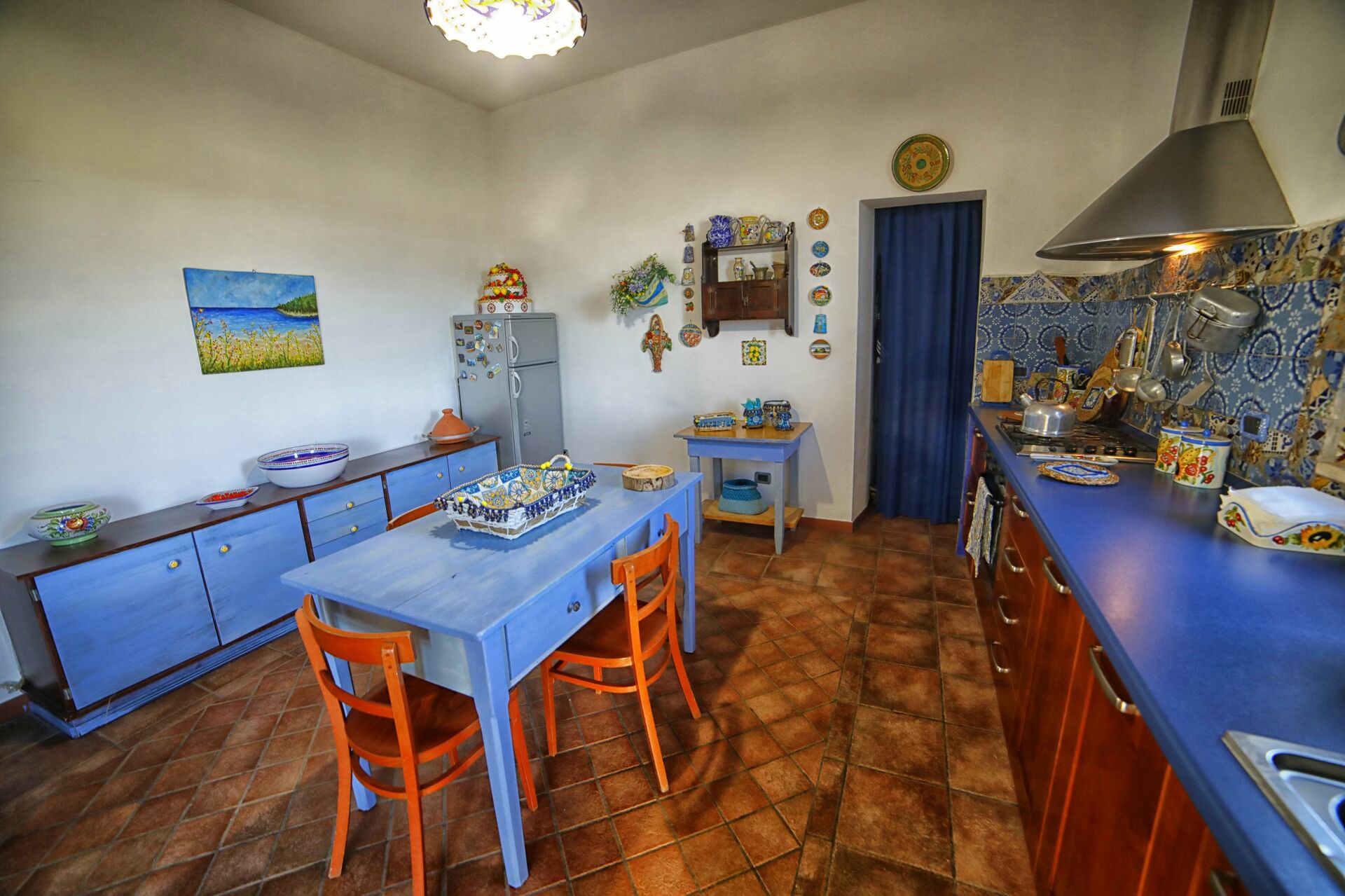
Cocina: cocina bien equipada, mesa de comedor, lavavajillas, frigorífico, congelador, cocina de gas, horno, tostadora, máquina de café italiana, máquina de café americana, WIFI internet, aire acondicionado, acceso al jardín.
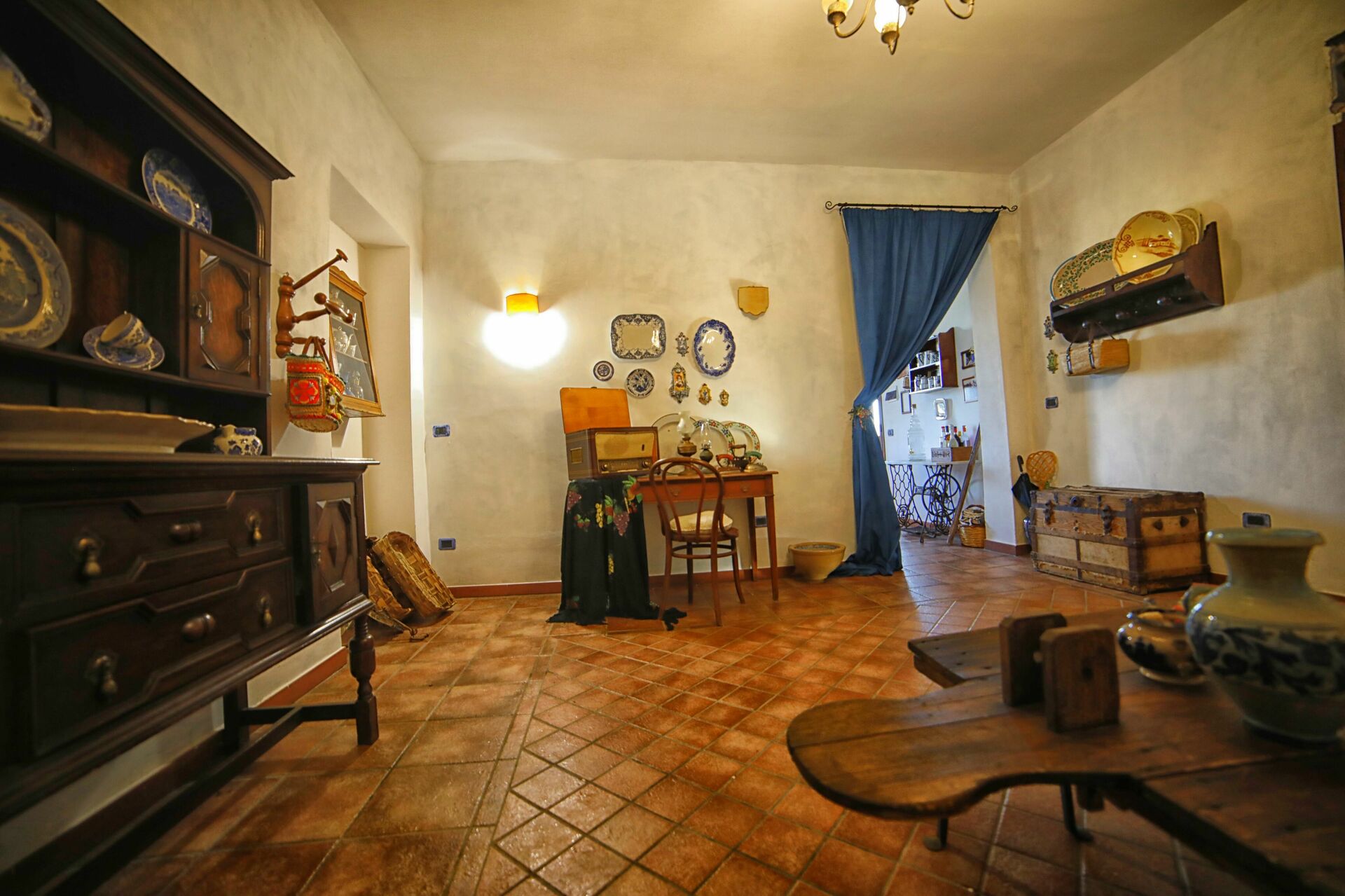
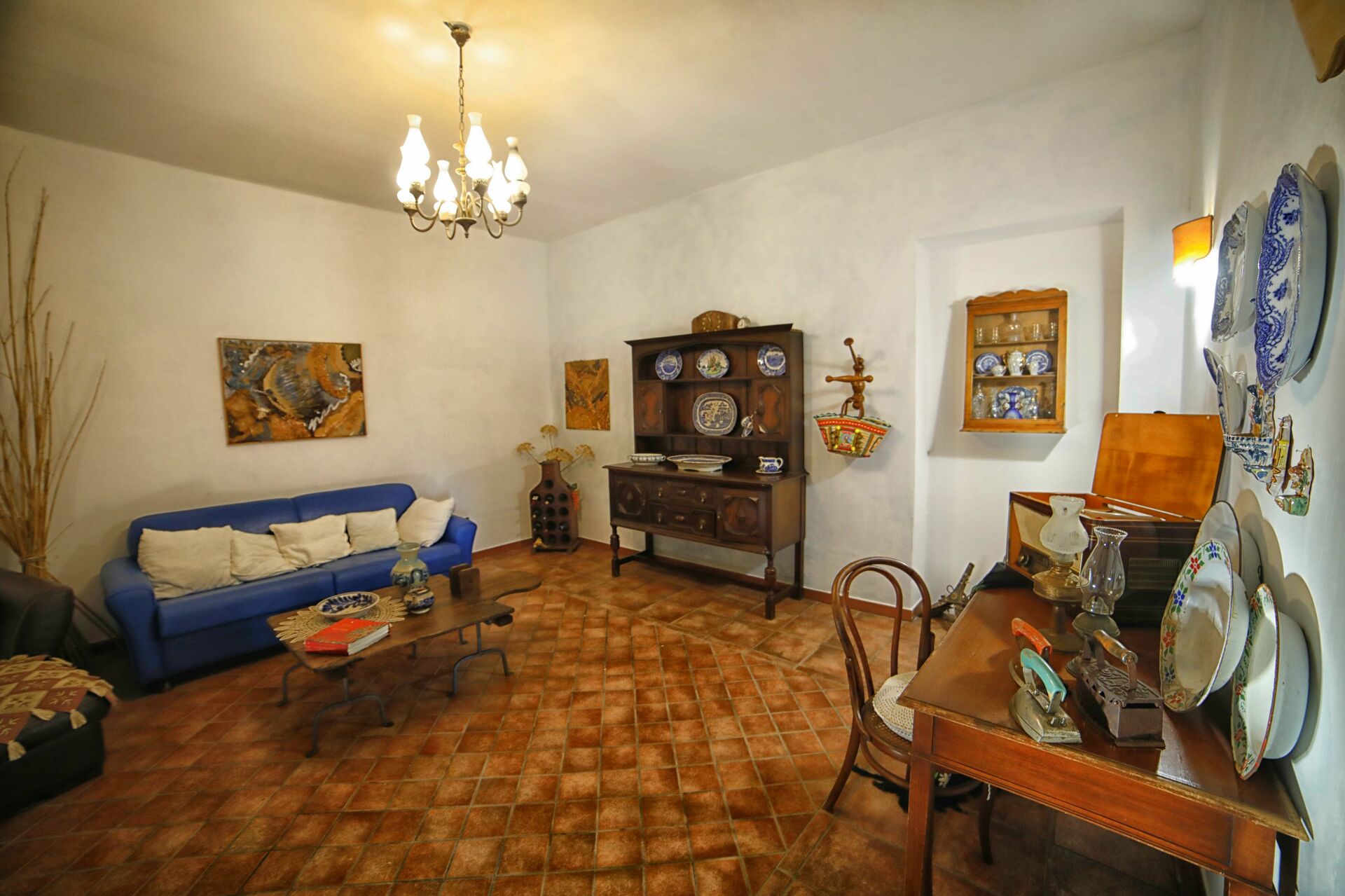
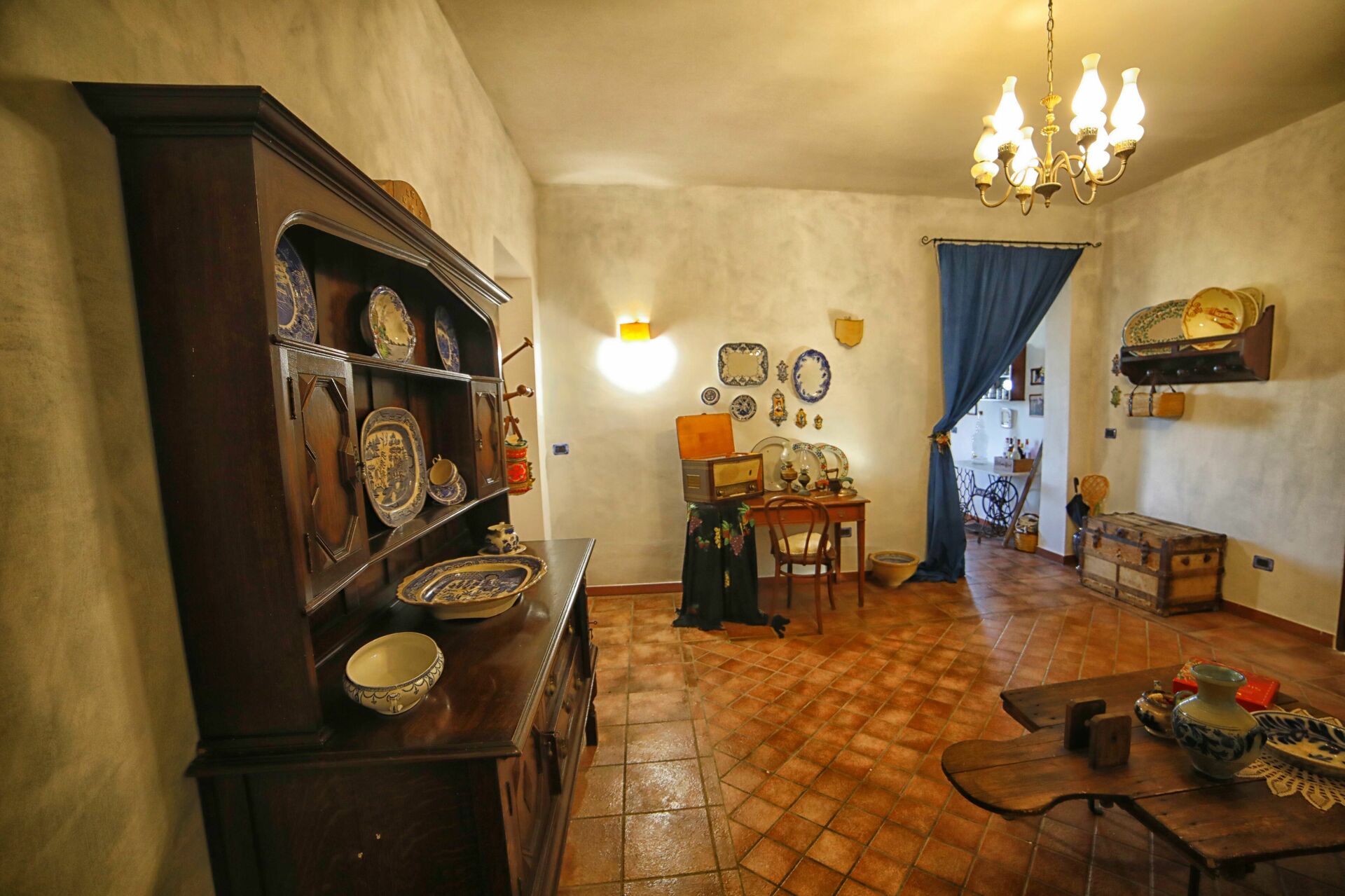
Salón: sofa, escritorio, WIFI internet, aire acondicionado, tv vía satélite.
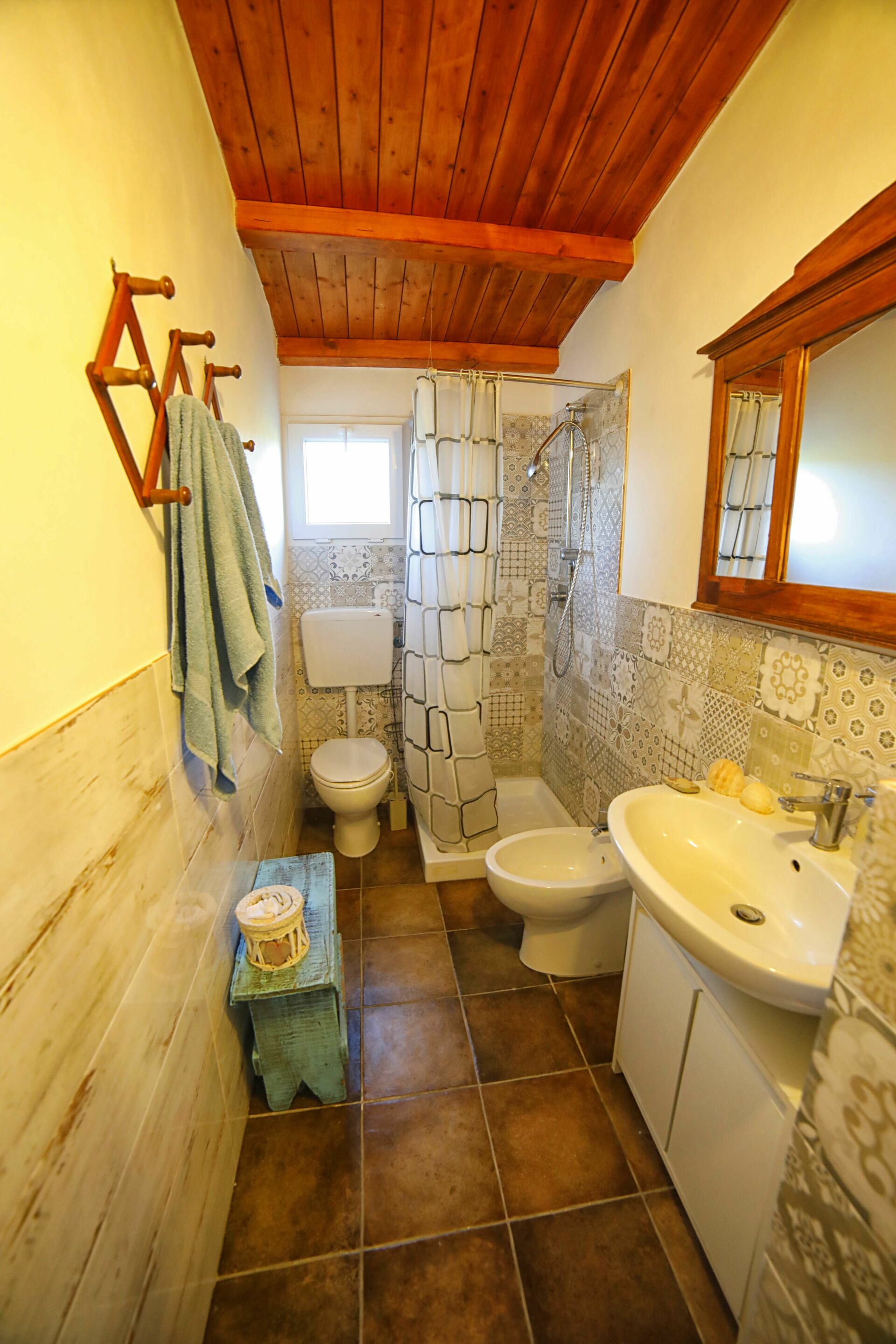
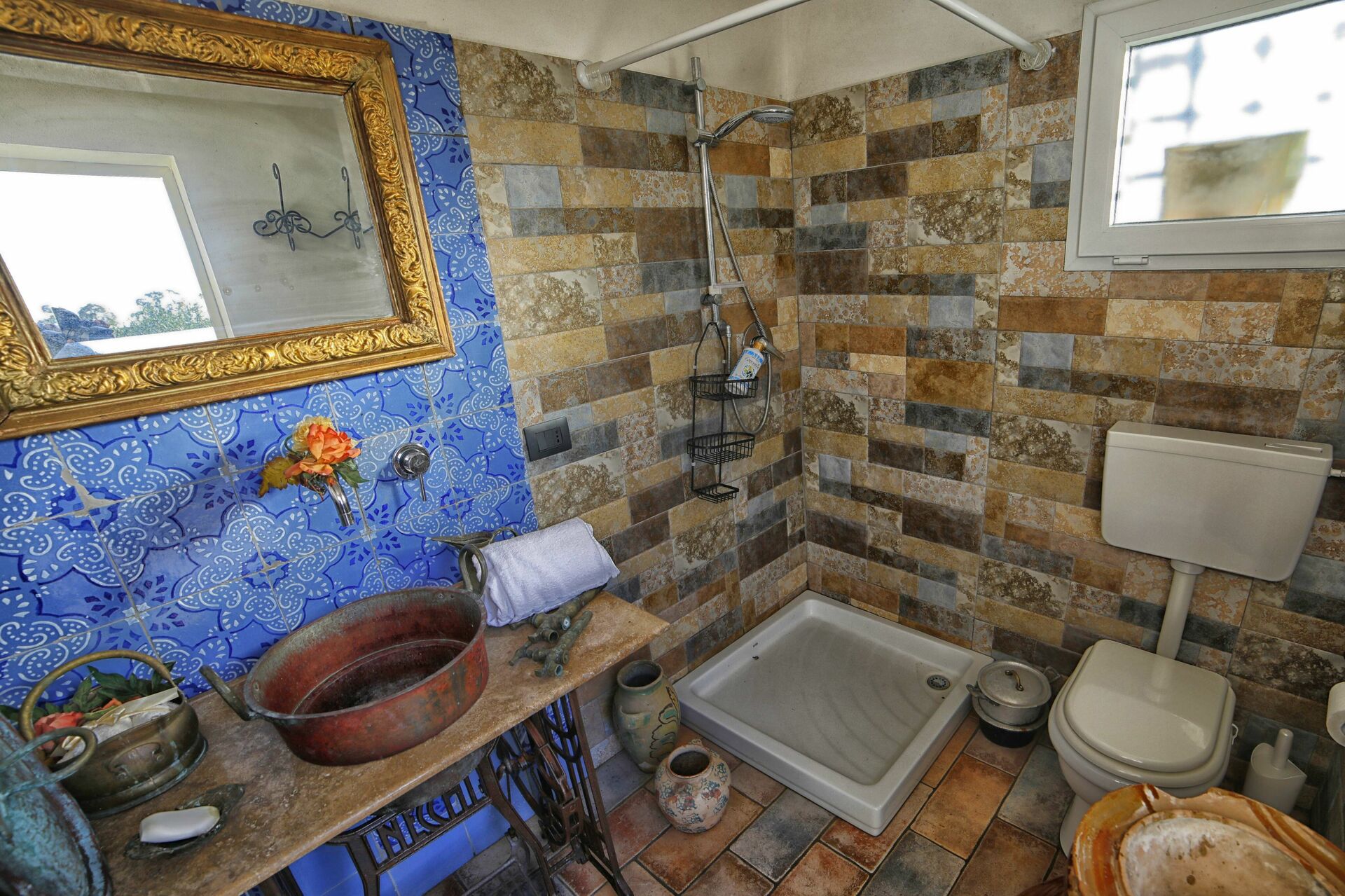
Baño: lavabo, baño, ducha, secador, WIFI internet.
Planta 1
Incluye: habitación con baño, 2 habitaciones.
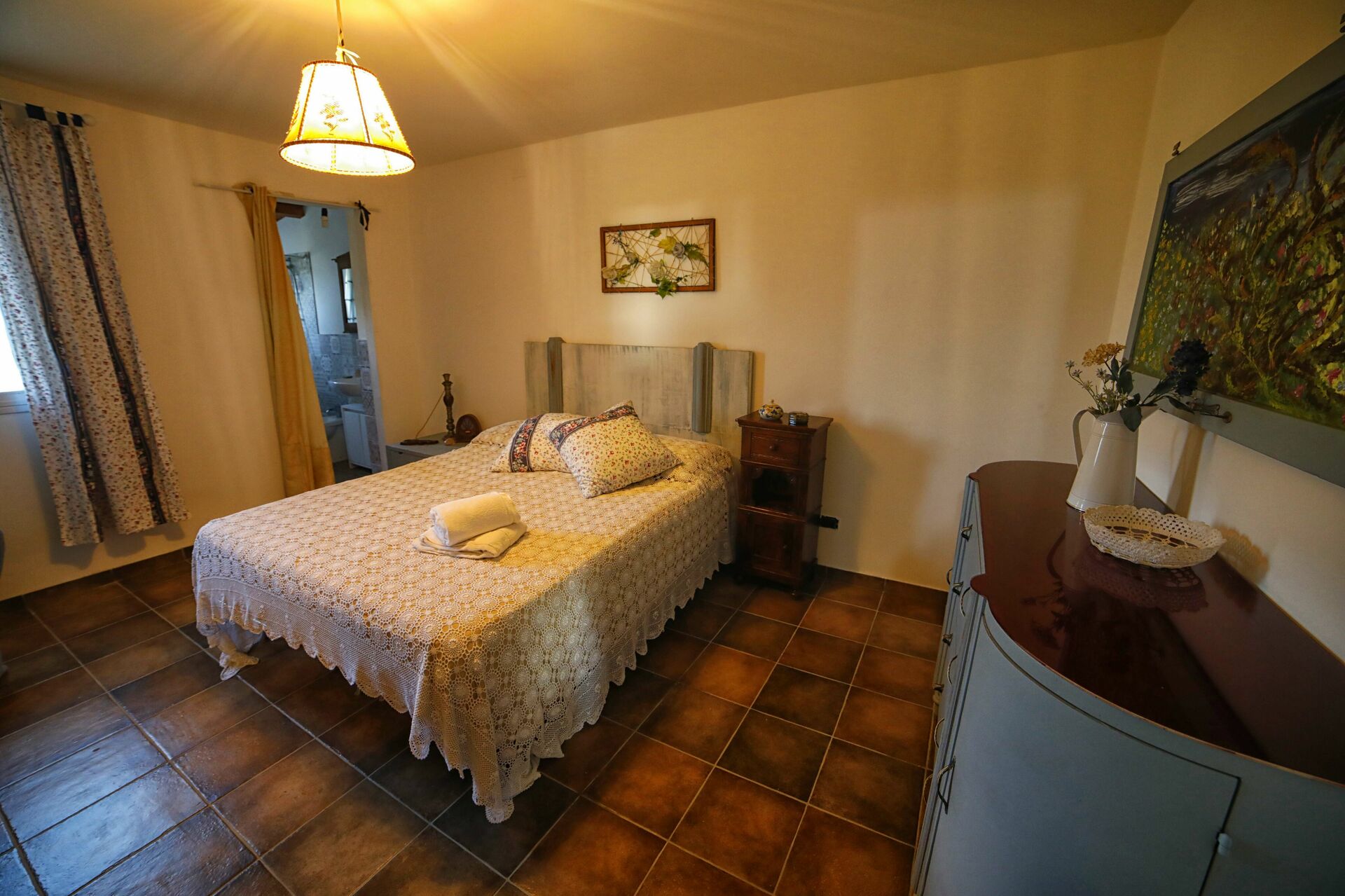
Habitación con baño: cama doble, WIFI internet, aire acondicionado, sillón, escritorio, lavabo, baño, bidé, ducha, secador, acceso a la terraza.
Habitación 1: cama doble, WIFI internet, aire acondicionado, sillón, escritorio, acceso a la terraza.
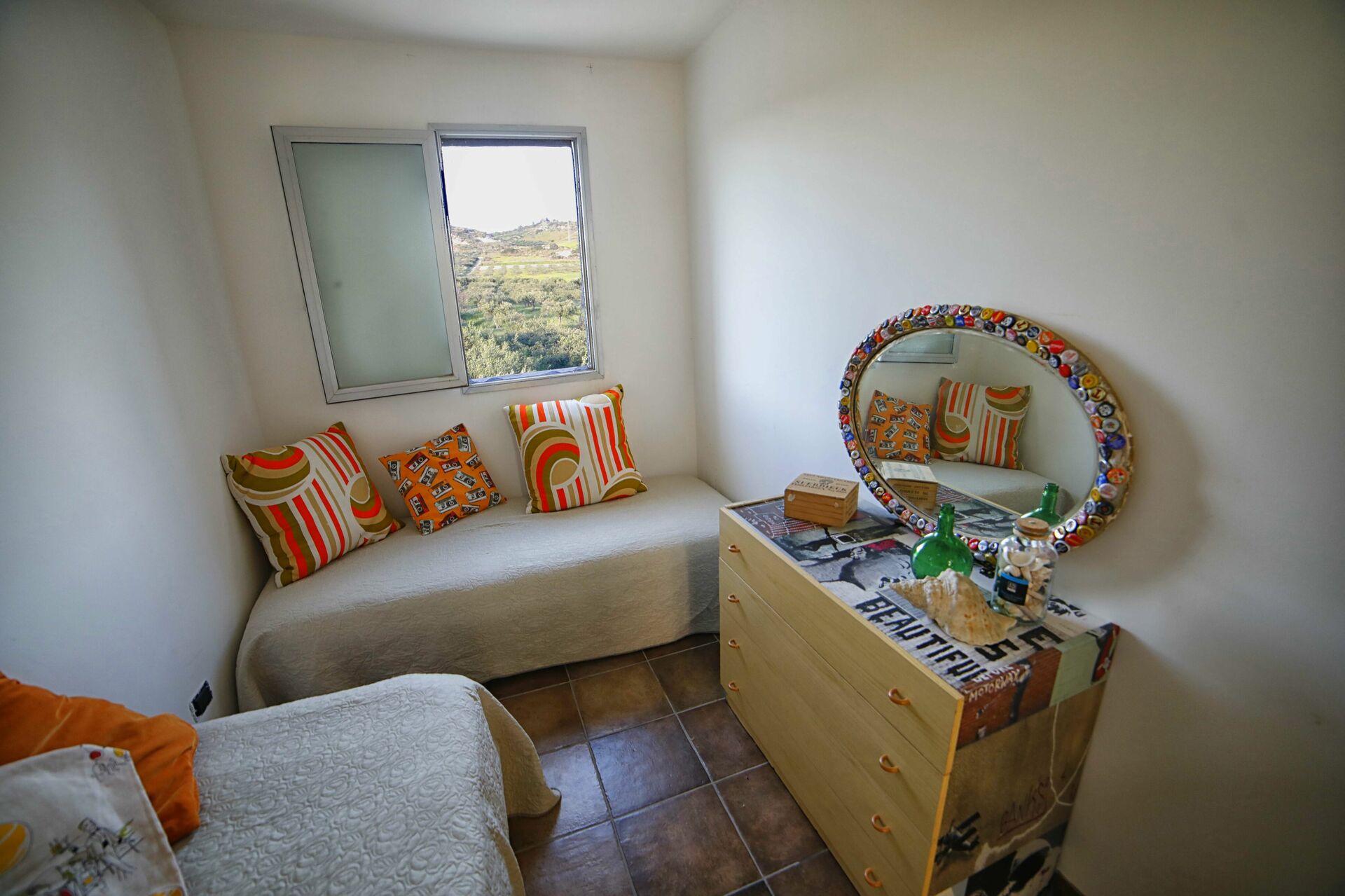
Habitación 2: dos camas individuales, WIFI internet, aire acondicionado, sillón, escritorio.
Posición Ribera, Sicilia, Italia

Puntos de interés cerca de la propiedad(Distancias en linea recta)
- Aeropuertos
- Palermo (Pmo), 127.2 Km
Atracciones
Sicily is Sicily
Sicily, Italian Sicilia, island, southern Italy, the largest and one of the most densely populated islands in the Mediterranean Sea. Together with the Egadi, Lipari, Pelagie, and Panteleria islands, Sicily forms an autonomous region of Italy. It lies about 100 miles (160 km) northeast of Tunisia (northern Africa). The island is separated from the mainland by the Strait of Messina (2 miles [3 km] wide in the north and 10 miles [16 km] wide in the South). The capital is Palermo.
CLASSICAL CROSSROADS
Seductively beautiful and perfectly placed in the heart of the Mediterranean, Sicily has been luring passersby since the time of legends. The land of the Cyclops has been praised by poets from Homer to Virgil and prized by the many ancient cultures – Phoenicians, Carthaginians, Elymians, Romans and Greeks – whose bones lie buried here. Whether in the classical perfection of Agrigento's Concordia temple, the monumental rubble of Selinunte's columns or the rare grace of a dancing satyr statue rescued from Mazara del Vallo's watery depths, reminders of bygone civilisations are everywhere.
MEDITERRANEAN FLAVOURS
A delectable layer-cake of culinary influences, Sicily's ancient cuisine continues to rely on a few key island-grown ingredients: shellfish and citrus, tuna and swordfish, pistachios, almonds and ricotta. Talk to the septuagenarian chef at a Catania restaurant and she'll confide that she still uses her grandmother's recipe for pasta alla Norma, joyfully sharing the poetic imagery that links it to Mt Etna: the tomatoes are lava; the eggplant, cinders; the basil, leafy greenery; the ricotta, snow. Modern chefs may play with the details, but Sicily's timeless recipes – from the simplest cannolo to the most exquisite fish couscous – live on.
Siciliy's Superlatives
The Valley of Temples in Agrigento
The large complex of temples and tombs in Agrigento dates as far back as 500 BC and includes Sicily's best preserved Doric temple-Tempio di Concordia-one of the most perfect to survive anywhere. Along with it in the eastern group is the Tempio di Juno Lacinia, almost as large, and in the western group is Temple of the Olympian Zeus, the largest of them at 40 meters but toppled by an earthquake. The circular Doric Tempio di Heracles, also in the western group, was destroyed by the Carthaginians and rebuilt by the Romans, only to be partially destroyed in an earthquake. The entire group is listed as a UNESCO World Heritage Site.
The Cathedral of Monreale
The cathedral of Monreale reflects at once the politics, religion, and artistic heights of Sicily under the Normans. And in doing so, it also achieved a place in the art history of Europe, all the more remarkable because it remains today almost exactly as it was built in the 1100s. The cathedral's architecture represents the move away from Eastern Byzantine forms, but its decoration with dazzling mosaics-considered the church's magnificent highlight-keep it firmly in the Byzantine traditions. They cover every available surface, in intricate illustrations of Biblical text and themes rendered in vibrant colors and with exceptional artistic virtuosity.
Church Mosaics in Palermo
Two of Palermo's three major churches, the Cappella Palatina and Santa Maria dell'Ammiraglio, better known as La Martorana, are famed for their mosaics. Those in the chancel of the Normans' court church, Cappella Palatina, are thought to be from 1143 and the mosaic of Christ between Peter and Paul from about 1350. Other highlights of the church are the Arabic stalactite ceiling, the pulpit on carved and inlaid pillars, and the tall candelabra. La Martorana's beautiful mosaics are also from the 12th century on a gold ground and are the oldest of their kind in Sicily. The image of Christ is the centerpiece, and elsewhere in the vaulting, dome, apses, and narthex are scenes from the New Testament.
Eastern Temples at Selinunte
One of the largest and most significant of Sicily's ancient sites, Selinunte has eight Greek temples dating as far back as the fifth century BC, plus the nearby Temple of Demeter. The most important are those known as the Eastern Group, labeled by letter: Temple G for its impressive size and Temple E for its architectural grandeur, considered the highpoint of the Classical period. Temple G, now in ruin, was among the largest of all Greek temples. In a separate section is the large Acropolis surrounded by defensive walls, some dating from the seventh century BC. Temple C is the largest and oldest, from about 550 BC, and sits on the highest ground.
Mount Etna
Etna is an enigma; even its height is never certain as it changes with each new eruption. But at more than 3,000 meters, it rules the skyline with its often-smoking cone. Volcanic vents, fumaroles, hot springs, and lava flows add to its changing landscape, much of which you can explore (although not too close to the central crater) on foot or in all-terrain vehicles designed for traction in the volcanic surface. Roads lead to the base of cable cars, which will take you to the 2,500-meter point, an easy day trip from Catania or Taormina. In the winter, you can ski near the summit.
Villa Romana del Casale in Enna
A 12th-century landslide buried this sprawling Roman villa outside Enna, thus preserving it almost intact to be discovered and excavated eight centuries later. One of the best-preserved villas anywhere in the Roman Empire, it still has most of the original decoration. In the 50 rooms so far excavated are more than 3,500 square meters of mosaic floors with detailed scenes from mythology and contemporary life, including hunting wild animals for use in gladiatorial combat. The thermal baths with their colonnaded courtyard and fountain are especially beautiful. The villa is a UNESCO World Heritage Site.
Parco Archeologico della Neapolis, Syracuse
One of the largest theaters in the ancient Greek Empire is a good reason, but not the only one, to visit the archaeological park in Syracuse. The view of the excavations as you approach along Viale Rizzo will give you an idea of their extent, which includes both the Greek Theater and a large Roman Amphitheater. The massive Altar of Hiero II dates from the third century BC, a century later than the 15,000-spectator Greek Theater. The Roman Amphitheater is from the third century AD and is partly hewn from the bedrock.
Discover Sicily and start building your trip!
THEME ITINERARIES
SICILY IN BLUE - THE MOST BEAUTIFUL BEACHES
https://www.visitsicily.info/en/discover/sea/
SICILY OF SMALL ANCIENT VILLAGES
https://www.visitsicily.info/en/discover/borghi/
SICILY - ART, TRADITION AND ANCIENT TRADES
https://www.visitsicily.info/en/discover/arte/
GREEN SICILY - PARKS, RESERVES AND OUTDOOR SPORTS
https://www.visitsicily.info/en/discover/active-holidays-eng/
SICILY FOR KIDS - THE PLACES FOR FAMILIES
https://www.visitsicily.info/en/discover/family/
THE SICILY OF THE SOUL - THE WAYS OF FAITH
https://www.visitsicily.info/en/sacred-journeys/
SICILY - AN OPEN-AIR MUSEUM - ITINERARY OF ARCHEOLOGY
https://www.visitsicily.info/en/discover/archaeological-sicily/
SICILY - ALONG THE PATH OF WRITERS
https://www.visitsicily.info/en/the-street-of-writers/
SICILY - THE MAGNA VIA FRANCICEGNA
https://www.visitsicily.info/en/the-magna-via-francigena/
SICILY - THE VIA DEI CASTELLI DELL'ETNA
https://www.visitsicily.info/en/the-route-of-etna-castles/
Transporte Local
Travel to Sicily
AIRPORTS
Fly to Sicily by arriving either at Catania Airport (CTA) or Palermo Airport (PMO). Which airport to use depends both on the convenience of the flight and of the destination airport, because Palermo is in eastern Sicily and Catania is in the western part of the island.
TRAIN
Book passage on an Intercity (IC) or Eurostar (ES) train. Although Sicily is not connected to the Italian mainland by bridge, trains are ferried from Villa San Giovanni in Calabria, the toe of Italy's boot, to Sicily. Passengers do not even need to disembark from the train for the roughly one-hour passage.
BUS
Ride a bus or drive a rental car to Sicily. Bus companies like Interbus run routes from major Italian cities to Sicily, and drivers can depart from virtually anywhere in Italy. Car ferries depart from Villa San Giovanni, which makes it a transit point in common for cars and buses, as well as trains.
SEA FERRY
Book passage on a passenger sea ferry from elsewhere in Italy. In Italy, these ferries depart from Cagliari, Genoa, Livorno and Naples. International ferries travel to Sicily from Malta and Tunisia. Most ferries arrive in Palermo, but some go to Syracuse, as well as smaller port towns on the island.
Aparcamiento
free outdoor parking on the spot